Why a productive farmer still cannot borrow — and what fixes it
85% of rural borrowing in Bangladesh is informal. The barrier is rarely the farmer's economics. It is that nobody has written those economics down in a form a lender can act on.
DigiGram Ventures · 14 Jul 2026 · 7 min read
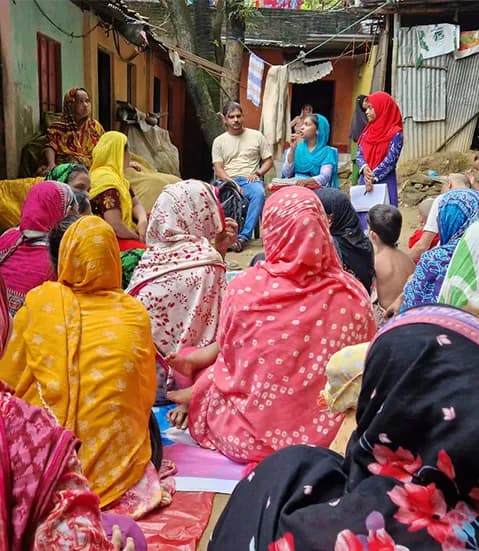
Only about 15% of rural households in Bangladesh reach formal credit. The other 85% borrow informally, at rates that quietly consume the margin of whatever they were borrowing to produce.
The problem is evidence, not creditworthiness
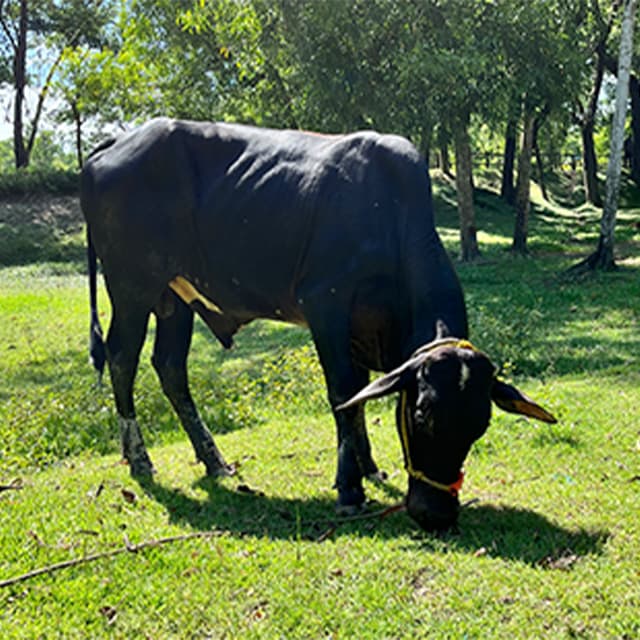
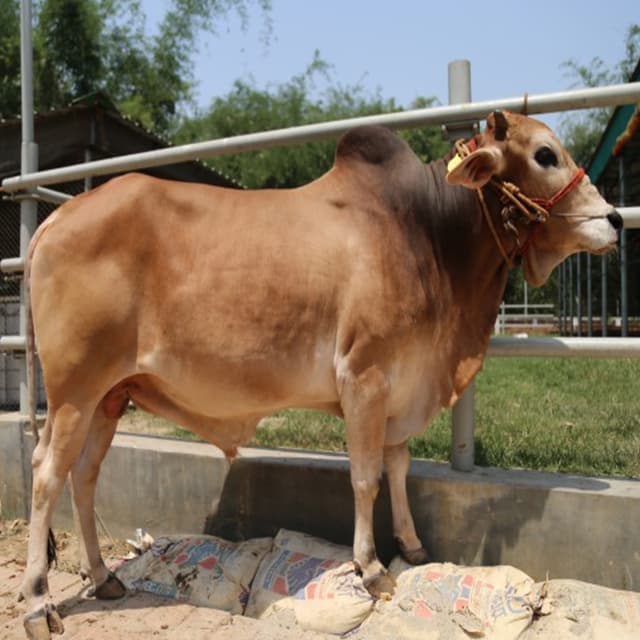
A woman running six cattle and selling into two local markets has a cash flow. She has repayment capacity. What she does not have is any of it written down in a form a bank's credit committee can act on: no filed accounts, no bank statement showing the trade, no collateral registry entry, and no third party willing to attest that the business exists.
Lenders are not being unreasonable when they decline. They are being asked to price a risk they cannot see.
What a verified profile changes
The Rural Enterprise Passport is the record that closes that gap: identity and household, the enterprise and its assets, production history, input purchases, sales and buyer relationships, training completed, and cooperative verification of all of it. Each value carries its source, its date, its verifier and a confidence level.
That record does not make a bad borrower good. It makes a real borrower legible.
Four outputs, deliberately kept apart
The assessment produces four separate things, and collapsing them into one score is where most credit-scoring products go wrong:
- Risk grade (A–D) — the estimated inherent risk on current evidence.
- Finance readiness — Bank Ready, Conditionally Ready, Project Ready, Development Required or Currently Ineligible.
- Data confidence — high, medium or low, based on how much has been independently verified.
- Recommended pathway — what should actually happen next.
A farmer can be a B grade with low data confidence, which is a verification problem. Or an A grade that is Project Ready rather than Bank Ready because the lender's programme does not cover their district. Those are different situations that deserve different next steps.
Develop, do not just decline
The point of separating the outputs is that "no" stops being the end of the conversation. A Development Required result comes with the specific tasks — documents to supply, records to keep, training to complete, a debt to regularise — that move the profile, and the user reapplies. Assess, explain, develop, reassess, connect.
Who decides
Not us. Shathi Sheba produces decision support. The licensed lender retains KYC/AML, credit approval, pricing, disbursement and recovery. Any platform blurring that line is describing a regulatory problem, not a product.