Where a contract-farming return actually comes from
A 20% return on a cattle cycle is not interest. It is weight gained, cost avoided and a price negotiated before the sale. Here is the arithmetic.
DigiGram Ventures · 28 Jul 2026 · 6 min read
When an investor sees "18–20% expected return, 12 months" on a project card, the reasonable first question is: return on what? Nothing about rural Bangladesh generates 20% by itself. The number has to come from somewhere specific, and if a platform cannot tell you where, you should not fund it.
Three sources, not one
A contract-farming cycle produces value in three places, and only the first is obvious.
1. Biological growth
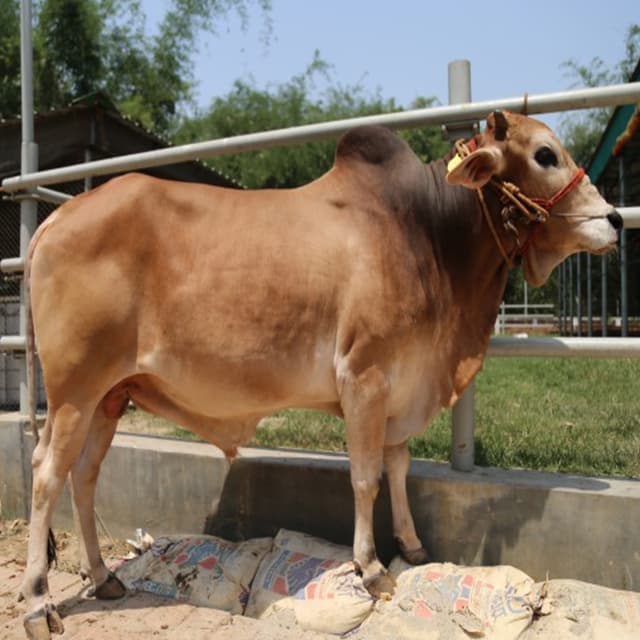
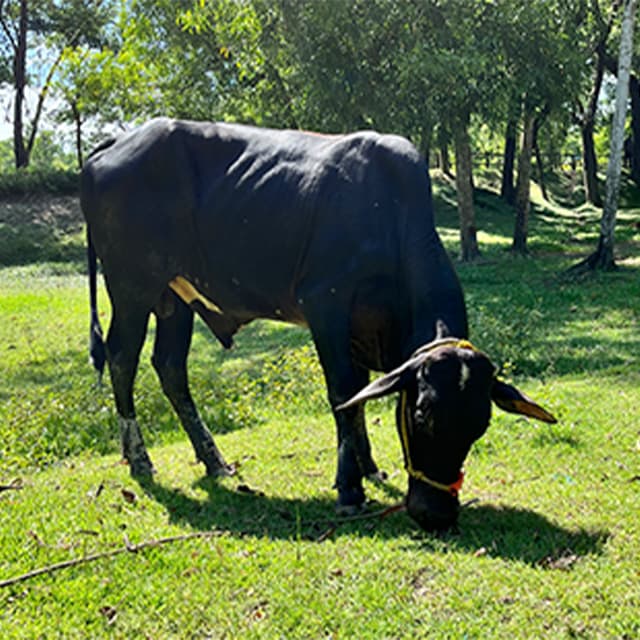
An animal entering a fattening cycle at 200kg and gaining 900g per day on graded feed leaves the cycle materially heavier. That weight is the raw material of the return. It is also the part most exposed to risk: disease, heat stress and feed interruption all show up here first, which is why weekly weight monitoring against the project SOP is not paperwork.
2. Cost avoided on the way in
A smallholder buying feed retail from one nearby market pays a price set by the absence of alternatives. Buying the same nutrition at commercial scale through a dealer network removes roughly 40% of that input cost. No production improvement is needed for this to show up in the margin — it is procurement, not agronomy.
3. Price realised on the way out
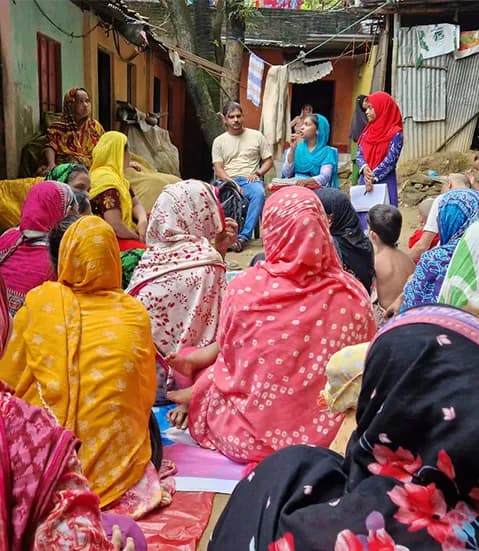
This is the one that gets ignored. A producer with mobility limits — and 70% of the producers we work with have them — sells to whoever arrives at the gate. That single fact costs up to 30% of the achievable price. Aggregating output at cooperative level and arranging the B2B buyer before the cycle closes recovers most of it.
Where the money goes
After the cycle sells, project costs come out first, then the investor payout, and up to 50% of what remains goes to the Shathi partner who did the work. The split is written into the contract before the cycle starts, not decided at the end.
What can go wrong
Cycles underperform. An animal can fall ill, a monsoon can arrive early, a market can move against the harvest window. Returns on this site are stated as ranges and described as estimated, because that is what they are. Read the risk note on any project you are considering, and treat any platform promising a guaranteed agricultural return with suspicion.